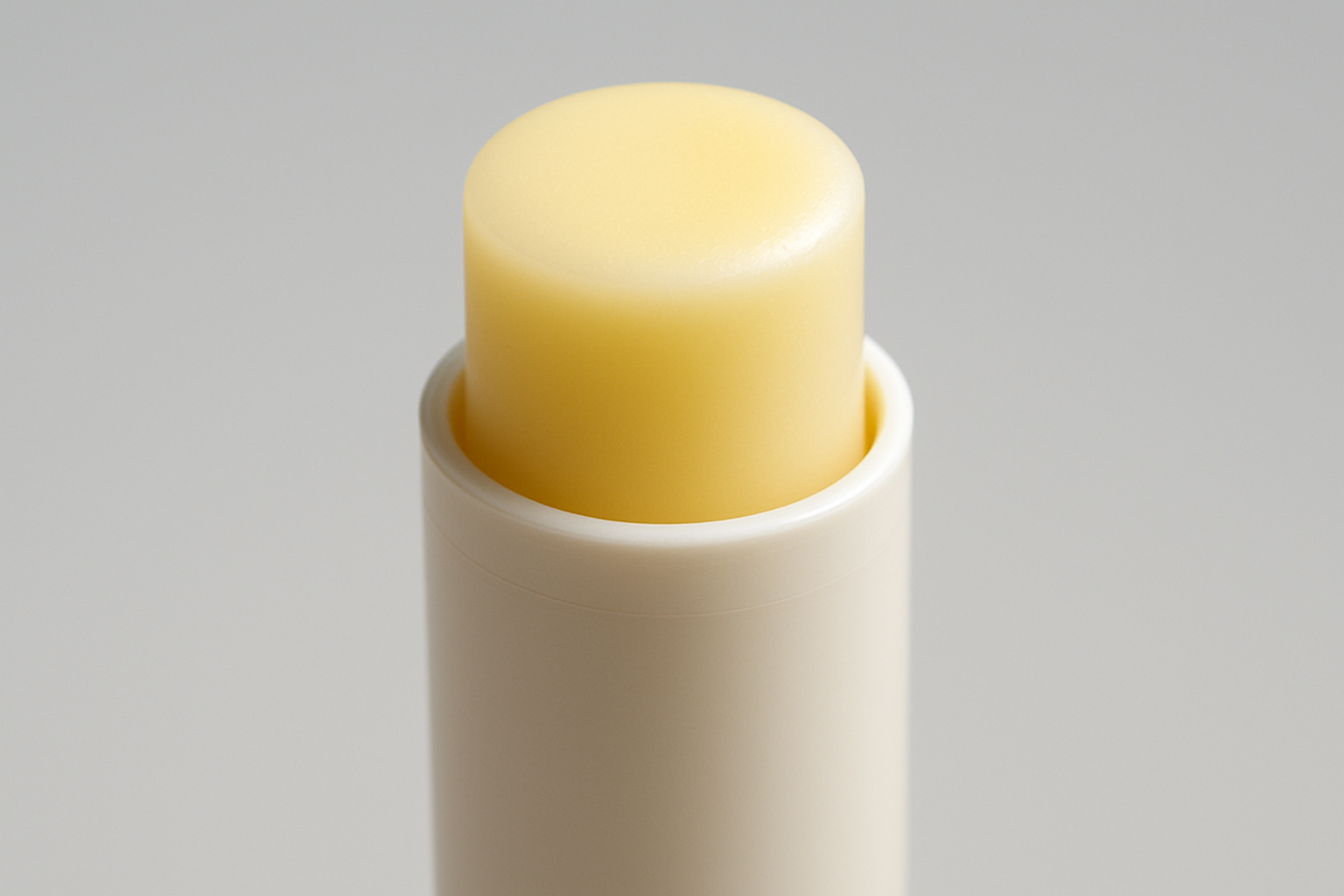
Lips often reveal dryness through texture before discomfort begins. A balanced lip balm can address both concerns together. Its ingredients help reduce moisture loss from exposed skin. At the same time, smoothing agents create a softer surface. That smoother layer can reflect light more evenly. As a result, lips gain gentle shine without heavy coverage. The effect depends on formula texture, ingredient balance, and application.
In This Article
- Moisture Protection Starts With Surface Coverage
- Why Do Oils Help Create Softness?
- Hydration Works Alongside A Protective Layer
- What Creates That Gentle Natural Glow?
- Texture Determines The Overall Appearance
- Ingredient Balance Shapes Everyday Lip Care
- Softness Can Change More Than Lip Texture
Moisture Protection Starts With Surface Coverage
Lips need surface protection because their outer layer stays exposed. Dry air can pull moisture from that delicate area. Frequent licking can also leave the surface feeling rough. A protective coating helps reduce this repeated moisture loss. Waxes and rich emollients form that useful layer. Their texture also helps soften uneven patches during use.
Once roughness decreases, the surface feels more flexible. That change can make daily movement feel easier. Speaking, smiling, and eating all involve repeated lip movement. A smoother coating reduces friction during those ordinary actions. Therefore, moisture care also supports a more comfortable finish.
Why Do Oils Help Create Softness?
Light oils spread across the surface with little effort. Their smooth texture helps reduce the feel of dryness. Plant-derived oils can also give formulas a silky touch. Richer oils create a denser coating for rough areas. Lighter options leave less noticeable residue after application.
The choice of oil affects the final appearance. A balanced formula can look fresh without excessive shine. This difference becomes clearer when lips already have texture. Smoother areas reflect light with greater consistency.
- Oils soften rough areas during regular application.
- Waxes help hold moisture against exposed skin.
- Butters provide richer surface conditioning.
- Emollients reduce the feel of uneven texture.
Hydration Works Alongside A Protective Layer
Hydrating ingredients work differently from surface-sealing materials. Humectants help draw available water toward outer skin. Glycerin is one example of this ingredient group. A lip balm can combine hydration support with protective coverage. However, hydration alone cannot stop evaporation from continuing. A protective layer helps retain that moisture for longer.
What Creates That Gentle Natural Glow?
Glow comes partly from improved surface smoothness. Rough skin scatters reflected light across uneven areas. Smoother lips provide a more consistent surface for reflection. Oils can increase that effect through their polished texture. Clear formulas can therefore create visible brightness without pigment.
Application amount also changes the visual result. A thin layer produces restrained surface reflection. A thicker coating creates stronger shine across the lips. Neither finish needs heavy color to look polished.
- A thin coating keeps reflection soft.
- Extra product creates stronger surface shine.
- Smooth texture makes natural color look clearer.
- Clear formulas preserve the original lip tone.
Texture Determines The Overall Appearance
Formula texture influences both feel and visible finish. Dense products can create a richer protective coating. Lightweight textures spread faster across the surface. Some formulas leave a barely noticeable layer afterward. Others provide a more noticeable polished effect.
Personal preference often guides this choice. Someone wanting subtle shine may prefer lighter textures. A person facing roughness may prefer richer coverage. Therefore, texture should match the intended daily use. The right balance keeps moisture care feeling comfortable.
Ingredient Balance Shapes Everyday Lip Care
A useful formula needs more than one functional ingredient. Humectants support moisture attraction near the surface. Emollients soften areas affected by dryness. Occlusive materials help slow moisture escape afterward. Together, these roles create a more complete surface routine.
That balance also affects the final visual quality. Too little coating may leave roughness visible. Too much richness can create an overly heavy feel. A measured formula keeps both purposes working together. Moisture support then becomes part of everyday appearance.
Softness Can Change More Than Lip Texture
Smooth lips reflect light differently from rough surfaces. That simple optical change can make natural features clearer. No strong color is required for this effect. Instead, surface condition does much of the visual work.
A small layer can therefore serve two purposes. It supports moisture retention while refining surface texture. The result stays close to the lips’ natural appearance. In that sense, care and cosmetic finish become closely connected.
Key Takeaways
- Lips can show signs of dryness through their texture before discomfort is felt.
- A balanced lip balm helps retain moisture and creates a smoother surface through its ingredients.
- Waxes and rich emollients form a protective layer that reduces moisture loss and softens rough patches on the lips.
- Humectants like glycerin draw water towards the lips, but a protective layer is necessary to prevent evaporation.
- The texture of a lip balm influences both the feel and appearance, with denser products offering richer coverage and lighter formulas providing subtle shine.
- Smooth lips reflect light more consistently, enhancing their natural appearance without the need for heavy color.