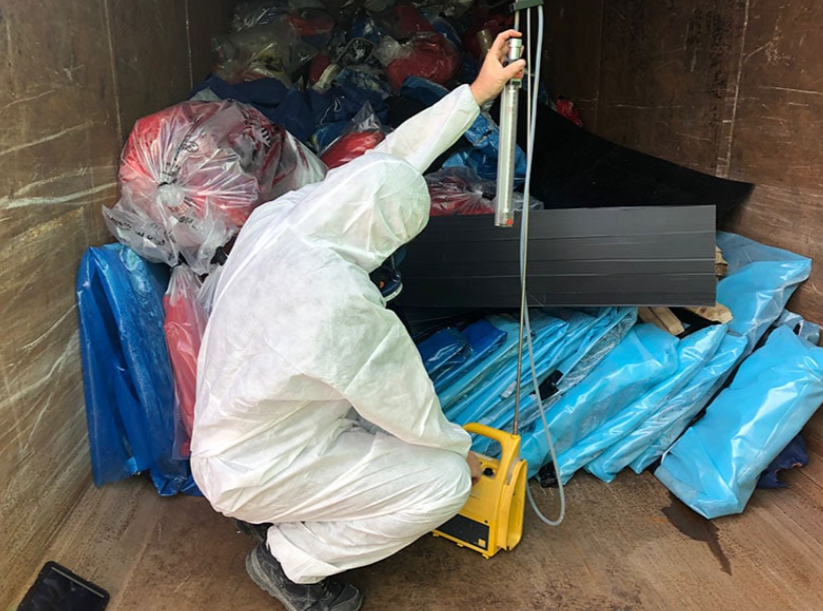
When it comes to managing properties, ensuring safe and compliant buildings is a top priority for owners. One critical element of property safety is asbestos testing. Though often overlooked, asbestos testing is a non-negotiable requirement that not only safeguards the health of tenants and workers but also ensures property owners meet legal compliance standards.
If you’re a property owner, here’s what you need to know about the benefits of asbestos testing and how it supports your legal obligations.
What is Asbestos Testing?
First, let’s break down what asbestos testing involves. The process identifies the presence of asbestos-containing materials (ACMs) in a property. Since asbestos was widely used in building materials before being regulated, older properties are particularly susceptible to containing this hazardous material.
Testing typically involves inspecting areas prone to asbestos exposure, collecting samples, and having them professionally analyzed to confirm their composition. If asbestos is detected, property owners can take the necessary actions to address the issue and achieve compliance.
The Legal Necessity of Asbestos Testing
Regulatory Compliance
Property owners are bound by laws and regulations to maintain a safe environment. Regulatory bodies across the globe, such as OSHA in the United States, have strict guidelines for managing asbestos in both residential and commercial properties. Property owners failing to comply with these guidelines may face hefty fines, legal challenges, and reputational harm.
By conducting asbestos testing, you stay ahead of the game, demonstrating a proactive approach to public and workplace safety while avoiding penalties.
Tenant Safety and Liability
Neglecting asbestos testing can create significant risks for tenants, workers, and contractors on your property. Exposure to asbestos fibers is linked to serious health issues, including asbestosis and mesothelioma.
Failing to address asbestos contamination not only puts lives at risk but could also expose property owners to lawsuits. Ensuring periodic asbestos testing can serve as an effective shield against liability claims by providing documented proof of compliance.
Building Certifications and Transactions
For property owners planning renovations, certifications, or sales, asbestos testing is essential. Testing and, if necessary, remediation make building certification processes far smoother. When selling or leasing a property, disclosing the asbestos status maintains transparency, builds trust, and expedites the transaction process.
Benefits of Regular Asbestos Testing
While compliance is a key driver, regular testing offers additional benefits for property owners.
Preventing Health Hazards
Perhaps the most significant benefit of asbestos testing is safeguarding the health of occupants. Identifying and mitigating asbestos eliminates potential exposure risks early, ensuring long-term safety for residents and workers alike.
Cost Management
Early detection of asbestos significantly reduces costs by minimizing the scale of remediation work required. Waiting until asbestos causes serious issues might involve not only more extensive cleanup efforts but also significant operational disruptions. Regular testing keeps expense low and planning manageable.
Peace of Mind
Knowing that your property complies with legal requirements and is safe for tenants provides peace of mind. Proactive testing avoids last-minute surprises, keeping both property owners and occupants confident in the property’s safety.
Taking Action as a Responsible Property Owner
No matter the age or condition of your property, asbestos testing should be a part of your regular maintenance routine. The benefits of maintaining legal compliance, ensuring tenant safety, and cutting costs far outweigh the effort involved in conducting these tests.