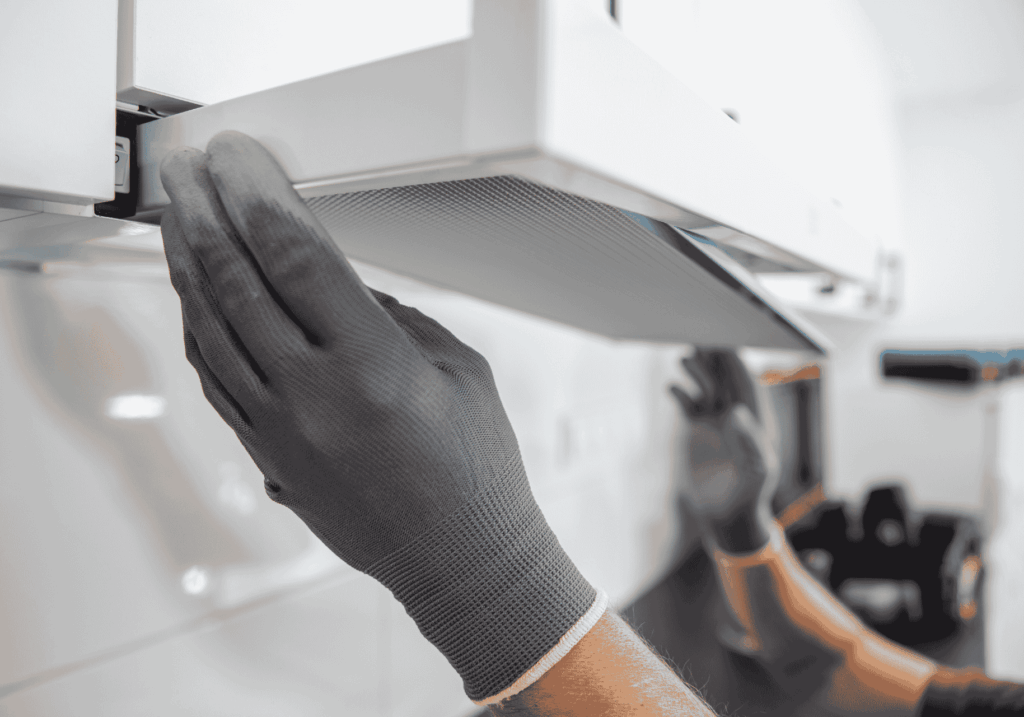
We often mistake “tidying up” for cleaning. We straighten the throw pillows, organize stacks of mail, and run a quick vacuum over the high-traffic areas. While this surface-level maintenance keeps chaos at bay visually, it fails to address the invisible ecosystem of dust, allergens, and bacteria Deep cleaning accumulating in the corners of our lives. There is a profound difference between a room that looks organized and a room that has been deep cleaned.
In recent years, the importance of hygiene has moved from a chore to a health necessity. Statistics show that the average person spends approximately 90% of their time indoors, yet indoor air quality can be two to five times more polluted than outdoor air according to environmental studies. This concentration of pollutants is largely due to the accumulation of dust, mold spores, and chemical residues that standard cleaning misses. Whether it’s a bustling office space or a cozy living room, deep cleaning is not just about aesthetics; it is about creating a baseline of health, productivity, and mental clarity. This comprehensive guide will walk you through the essential strategies for deep cleaning residential and commercial spaces, ensuring that your environment is not just tidy, but truly restored.
The Science of Grime: Why Deep Cleaning Matters
Before diving into the methodology, it is crucial to understand what you are fighting against. In a residential setting, the average six-room home collects approximately 40 pounds of dust each year. This dust is not merely dirt; it is a cocktail of dead skin cells, fabric fibers, and microscopic pests like dust mites. In an office environment, the statistics are even more startling. Research has indicated that the average office desk harbors 400 times more bacteria than a toilet seat, primarily because toilet seats are sanitized regularly, while keyboards and telephones are often neglected.
Deep cleaning goes beyond the cosmetic. It involves removing the deep-seated grime that affects air quality and health. “Sick Building Syndrome” is a documented phenomenon where occupants experience acute health effects that appear to be linked to time spent in a building. Symptoms often improve after leaving the building, but the root cause is frequently poor indoor air quality caused by inadequate ventilation and the buildup of biological contaminants. By implementing a thorough deep cleaning routine, you are effectively resetting the biological clock of your space, reducing the risk of illness, and alleviating allergy symptoms for everyone who steps through the door.
The Golden Rule: The Top-Down Strategy
Efficiency is key when tackling a project as large as a deep clean. Amateurs often make the mistake of cleaning floors first or wiping down counters before tackling high shelves. This is counterproductive thanks to gravity. As you dust ceiling fans, wipe down crown molding, or clean light fixtures, dust and debris will inevitably fall downward.
To deep clean like a professional, always start at the highest point in the room and work your way down to the floor. Begin with ceiling corners, light fixtures, and the tops of cabinets. Move down to walls, windows, and window treatments, then to furniture surfaces, and finally, end with the baseboards and floors. This ensures that you aren’t re-contaminating surfaces you have already sanitized. Furthermore, adopting a “left-to-right” or “clockwise” approach within a room ensures that no section is missed. This systematic approach saves time and energy, transforming an overwhelming task into a manageable checklist.
Revitalizing the Kitchen: The Heart of the Hygiene
The kitchen is often the busiest room in a home and the communal hub of an office. Consequently, it is a magnet for grease and bacteria. A deep clean here requires degreasing agents and patience. Start with the appliances. The refrigerator is a prime candidate for neglect; pull it away from the wall to vacuum the condenser coils. Dust on these coils forces the fridge to work harder, increasing energy consumption. Inside, remove all shelves and drawers to wash them in hot, soapy water.
The oven and stovetop usually require the most elbow grease. While self-cleaning modes are useful, they often leave residue. A paste made of baking soda and water, left to sit overnight, can lift burnt-on carbon without the harsh fumes of commercial oven cleaners. Don’t forget the dishwasher; it cleans your dishes, but it also retains food particles and soap scum in its filter. A cycle run with a cup of white vinegar can descale the interior and remove lingering odors. Finally, disinfect the high-touch points: cabinet handles, the microwave keypad, and the faucet. These areas are bacterial hotspots that are frequently touched but rarely disinfected during daily wipe-downs.
Restoring the Bathroom: Conquering Moisture and Mold
Bathrooms present a unique challenge due to high humidity levels, which create the perfect breeding ground for mold and mildew. Grout lines are porous and act as a sponge for moisture and discoloration. To deep clean grout, you need an alkaline cleaner and a stiff brush to agitate the dirt out of the pores. For stubborn mold in silicone sealant, saturation is key; letting a cleaner sit for at least 15 to 20 minutes ensures it penetrates the fungal root.
Beyond the visible surfaces, focus on the ventilation. The exhaust fan is critical for removing moisture, yet it is often clogged with dust, reducing its efficiency. Vacuum the cover and wipe the blades. Descaling showerheads and faucets is also essential, especially in areas with hard water. A buildup of calcium and lime can restrict water flow and harbor bacteria. Soaking these fixtures in a descaling solution restores them to full functionality. Remember to wash shower curtains and liners, which are often overlooked sources of mildew smell.
Living Areas and Bedrooms: Textiles and Traps
In living rooms and bedrooms, soft surfaces are the primary concern. Upholstery, curtains, carpets, and mattresses act as giant filters, trapping airborne pollutants. Over time, these filters become full. Deep cleaning these areas requires vacuuming with a High-Efficiency Particulate Air (HEPA) filter, which traps 99.97% of dust and allergens rather than blowing them back into the air.
For carpets and upholstery, steam cleaning is the gold standard. The heat kills dust mites and bacteria while lifting stains that have settled into the fibers. Don’t neglect the window treatments; heavy drapes can hold pounds of dust. Check the care label, but many can be vacuumed or steam cleaned while hanging. In the bedroom, the mattress should be vacuumed thoroughly. Flipping or rotating the mattress extends its life, but sanitizing the surface is vital for sleep hygiene. Laundering pillows and duvets—not just the covers—is also necessary to remove sweat and oils that accumulate over months of use.
The Professional Office: boosting Productivity Through Cleanliness
Deep cleaning an office requires a slightly different focus than a home. While hygiene is paramount, the goal is also to reduce absenteeism and improve morale. A cluttered, dusty office subconsciously signals to employees that detail and care are not priorities.
Focus heavily on shared electronics and communal spaces. Keyboards, mice, and copier buttons are vectors for the flu and common cold. These should be wiped down with electronics-safe disinfectant. Office chairs are often used for years without ever being cleaned; steam cleaning upholstery can remove coffee spills and accumulated dust, instantly making the office feel fresher.
Flooring in high-traffic commercial spaces takes a beating. Whether it is commercial carpet tiles or hard flooring, professional-grade extraction or stripping and waxing may be required to restore the floor’s appearance. Additionally, clean the interior and exterior of windows. Natural light is a significant mood booster in office settings, but dirty windows filter out lumens and make the space feel dingy. By maximizing light and air quality, you are directly investing in the cognitive function of your workforce.
The Green Cleaning Revolution
A major trend in both residential and commercial deep cleaning is the shift toward eco-friendly solutions. The smell of strong bleach is no longer associated with “clean” for many people; instead, it is associated with harsh chemicals and potential respiratory irritation. Modern deep cleaning relies more on mechanical action (scrubbing, steam, HEPA vacuuming) and enzymatic cleaners than on caustic substances.
Ingredients like vinegar, baking soda, hydrogen peroxide, and essential oils are effective for a vast majority of cleaning tasks. For offices, switching to Green Seal certified products can contribute to LEED certification and demonstrates a commitment to corporate social responsibility. These products break down safely in the environment and reduce the chemical load on the indoor air, making the space safer for children, pets, and employees with sensitivities.
Maintaining the Results
Once the deep clean is complete, the goal is to maintain that baseline for as long as possible. Implementing a “clean-as-you-go” culture in the office or a daily 15-minute tidy-up rule at home can extend the time between deep cleans. However, deep cleaning should not be a once-in-a-lifetime event. For homes, a seasonal schedule—spring and fall—is typically sufficient to keep allergens at bay. For offices, a quarterly deep clean of high-traffic areas is recommended to maintain a professional appearance and a healthy environment.
Ultimately, a deep clean is a reset button. It clears the physical and mental clutter, allowing the occupants of the space to breathe easier—literally and figuratively. The effort required to scrub grout, wash walls, and steam carpets pays dividends in the form of improved health, extended lifespan of furniture and flooring, and a renewed sense of pride in your environment. Whether you choose to tackle the project yourself with a bucket and determination, or you decide to bring in a professional team to handle the heavy lifting, the result is a space that supports your well-being. Take a look around your room right now; if the corners are dark and the air feels heavy, it might be time to start at the ceiling and work your way down.