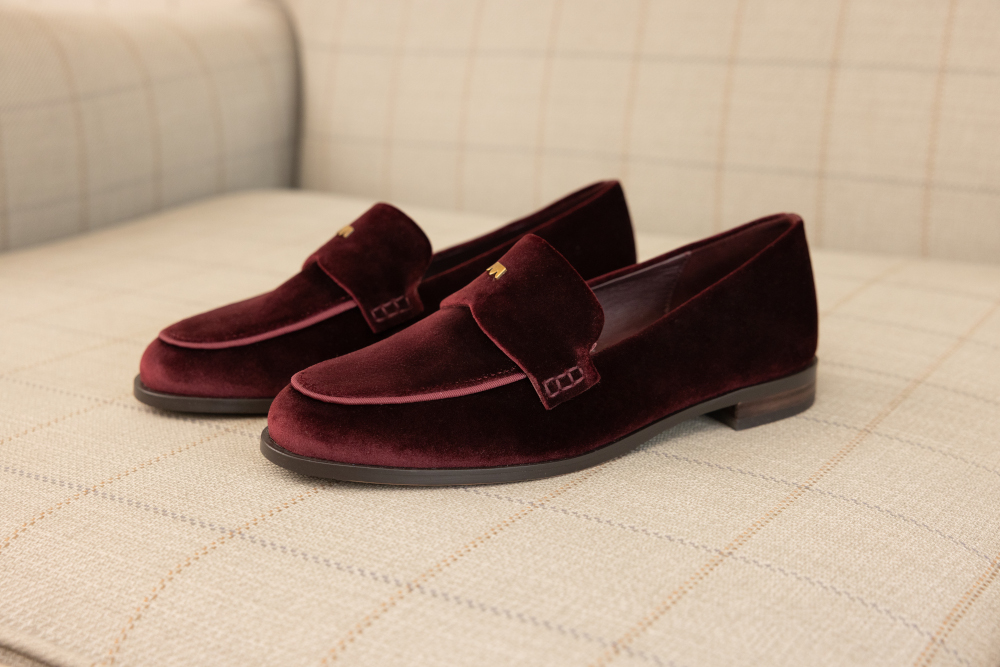
The old rules about confidence made zero sense. Squeeze into clothes that cut off circulation. Wobble around on shoes that destroy feet. Spend hours on hairstyles that cause headaches. Someone, somewhere, decided pain proved you cared about your appearance. That someone was wrong, and people finally figured it out.
The Mind-Body Connection Nobody Talks About
A too-tight collar creates a specific kind of misery. So does a waistband digging into skin after lunch. The brain senses every pinch, blister, and itch. Even when people pretend everything’s fine, their bodies keep score. Switch to soft clothes and supportive shoes and watch what happens. Breathing gets easier. Walking feels natural again. That constant background noise of discomfort? Gone. Suddenly there’s mental space for actual thoughts instead of managing pain.
Body language experts stumbled onto something wild. Comfortable people move differently. They gesture broadly, claim their space, hold eye contact longer. Not because someone taught them power poses. Because their bodies feel good, so they act like it. A person whose feet don’t hurt walks into rooms differently than someone counting down minutes until they can kick off their shoes.
Breaking Free From Old Rules
Professional used to mean wool suits that scratched. Dressy meant teetering on tiny heel tips. Casual Friday felt like a gift from above. The categories stayed rigid for decades. Your grandfather’s office dress code probably looked identical to your father’s.
Then cracks appeared in the system. A tech executive showed up at a conference in jeans. A lawyer wore flats to court and won her case anyway. Ballet flats from a brand like Birdies started appearing at galas where stilettos once ruled. Each small rebellion proved the sky wouldn’t fall if people dressed for their actual comfort.
The Ripple Effect of Feeling Good
Here’s something people don’t discuss enough: comfort creates courage. A person whose clothes move with them takes bigger swings. They volunteer for presentations because they won’t spend the whole time tugging at their outfit. They join the after-work soccer game because their shoes can handle it. They show up fully because nothing about their appearance feels like a lie.
Comfortable people also make others comfortable; it’s contagious. They seem more real, more approachable. Nobody questions the reason behind all that hard work. People are drawn to authenticity.
Kids growing up now won’t even understand the old system. They see adults choosing comfort without shame. They learn early that feeling good in your skin matters more than following arbitrary rules. That foundation changes how they approach everything else.
The New Definition of Put-Together
Polished doesn’t require pain anymore. Today’s version focuses on completely different priorities. Colors that light up faces. Cuts that work with bodies, not against them. Materials that feel amazing all day long. Footwear that handles real life. This approach demands more thought, not less. Anyone can grab uncomfortable “formal” clothes off a rack. Finding pieces that look great and feel great? That takes skill. Building a wardrobe around actual daily activities instead of imaginary scenarios? That requires honesty about how life really works.
Conclusion
This shift from suffering to comfort as the basis for confidence reveals what should have been obvious all along. Humans function better when they feel good. Performance improves. Relationships deepen. Creativity flows. All because nobody’s wasting energy pretending their shoes don’t hurt. The change keeps spreading because it makes too much sense to stop. Each person who chooses comfort over convention gives someone else permission to do the same. One comfortable choice at a time, the old rules crumble. Future generations will wonder why anyone ever thought confidence required pain. The answer? It never did. People just needed time to figure that out.